


Inside the Chamber: The Engineering Brilliance Behind Precision Engineered Vaporizers
What separates a premium dry herb vaporizer from a basic heating device? The answer is not simply a larger battery, a brighter screen, or a more expensive exterior.
The real difference is found inside the chamber.
Every component: from the heating element and airflow path to the temperature sensors and materials: must work together with remarkable consistency. When that engineering is done well, the result is a more controlled, repeatable, and refined experience for the adult consumer.
Does this mean you need an engineering degree to choose the right vaporizer? Absolutely not. Understanding a few core principles can make shopping for high-end vaping hardware far less daunting.
Think of it like buying running shoes. You do not need to design the sole to understand that cushioning, stability, fit, and durability affect performance. Vaporizers work much the same way: the internal design determines how the device feels and performs in everyday use.
Why the Heating Method Matters
A dry herb vaporizer uses controlled heat to release aromatic compounds from botanical material without intentionally burning it. The way that heat is delivered has a direct effect on flavor, vapor density, efficiency, heat-up time, and consistency.
The three primary heating approaches are conduction, convection, and hybrid heating.
No method is automatically perfect for every person. Your ideal choice depends on how you use your device. Do you prefer quick, dense draws? Are you more interested in flavor clarity? Do you want to take your time with a longer session?
These are not minor preferences. They are the foundation of the ownership experience.

Conduction: Direct Contact and Fast Response
Conduction heating works through direct contact. Your dry herb sits against a heated surface, usually made from metal or ceramic, and heat transfers directly into the material.
The basic analogy is a frying pan. The food touching the pan heats first, while heat gradually moves toward the center.
This approach can provide:
- Fast heat-up times
- Immediate vapor production
- Dense vapor from compact devices
- Relatively efficient battery use
- Straightforward chamber construction
However, conduction systems can develop uneven heating if the load is packed too tightly or left untouched throughout a session. Material near the chamber wall may heat faster than material in the center.
That is why stirring can matter. A quick, gentle stir redistributes the material and helps expose unheated areas to the chamber’s thermal energy.
Is conduction inferior? Not necessarily. It is responsive, practical, and often well suited to users who want a fast session. The important point is to understand its behavior and use the device according to the manufacturer’s instructions.
Convection: Hot Air and Even Extraction
Convection heating takes a different approach. Instead of relying primarily on direct contact, the device heats air and moves that hot air through the herb.
Imagine a convection oven compared with a frying pan. Rather than heating only the surface touching the pan, moving hot air surrounds and penetrates the food more evenly.
In a vaporizer, the design challenge is substantial. The manufacturer must control:
- Air temperature
- Airflow volume
- Heating-element response
- Chamber resistance
- Draw speed
- Heat loss between the heater and the mouthpiece
A well-designed convection system can produce clear, nuanced flavor and more even extraction. Because the material is heated by air rather than resting directly against a hot plate, convection is often associated with fewer hot spots.
The trade-off? Convection systems may require more power, more sophisticated airflow engineering, or a longer heat-up period. Your draw technique can also influence performance. Drawing too quickly may cool the air path, while drawing too slowly may create a warmer, denser output.
This is not a flaw. It is part of the system’s design language.
Hybrid Heating: The Engineering Sweet Spot
Hybrid vaporizers combine conduction and convection in one heating architecture.
Why combine them? Conduction offers speed and density. Convection adds airflow-driven consistency and flavor control. Together, they can create a balanced experience that responds quickly while continuing to heat the chamber evenly during a draw.
In a typical hybrid design, the chamber walls or base provide conductive heat, while a separate heating element warms incoming air. When you inhale, the heated air moves through the herb and supplements the heat already present in the chamber.
The result can be:
- Faster start-up than a purely convection-based device
- More even extraction than a simple conduction system
- Stronger vapor density
- Better adaptability across different session styles
- Greater control over flavor and intensity
Not every device marketed as “advanced” uses hybrid heating, and the term can vary between manufacturers. Be judicious. Review the manufacturer’s specifications rather than relying only on marketing language.
An excellent buying question is: Where is the heating element located, and how does hot air move through the chamber?
Inside the Chamber: Materials and Airflow
The chamber is a small space, but it has a demanding job. It must tolerate repeated heating and cooling cycles, resist buildup, preserve airflow, and avoid introducing unwanted materials into the vapor path.
Common chamber materials include ceramic, stainless steel, aluminum, and glass. Each has different thermal properties.
Ceramic can provide a clean, stable heating surface. Metal can offer durability and rapid heat transfer. Glass is valued for its inert character and visual clarity, although it requires more careful handling.
The best high-end vaping hardware treats the chamber and vapor path as a complete system: not isolated components.
Airflow design is equally important. Internal channels, screens, seals, and mouthpiece geometry determine how efficiently air moves through the chamber. Too much restriction can make a device difficult to draw from. Too little restriction may reduce the contact time between heated air and the material.
This is why small details matter. A precisely machined seal can prevent leaks. A carefully positioned screen can regulate airflow. A well-designed mouthpiece can reduce heat transfer and improve comfort.

Temperature Control Is More Than a Number
Temperature control is one of the defining features of precision engineered vaporizers, but it is easy to misunderstand.
When your display shows a specific temperature, that number may refer to the target temperature of the heater, chamber, or sensor: not necessarily the exact temperature of every particle in the herb. Factors such as chamber loading, draw speed, battery condition, and ambient temperature can influence the actual experience.
So why does precision still matter?
Because a controlled target is more repeatable than guesswork.
Modern devices use temperature sensors and microcontrollers to regulate power. The system continuously monitors heat and adjusts energy delivery to maintain a chosen range. Higher-end designs may also use rapid-response heating elements and multiple control modes to reduce temperature swings.
Lower settings are often preferred by users seeking a more flavor-forward session. Higher settings may produce denser vapor and help finish a chamber more efficiently. The ideal range depends on the material, moisture content, grind, airflow, and your personal preference.
Start conservatively. Increase gradually. Do not assume the highest setting is the best setting.
And an absolute no, no: never modify a device, obstruct its airflow, use incompatible materials, or ignore the manufacturer’s cleaning and charging instructions. Precision hardware is engineered as a complete system. Altering one part can affect safety and performance elsewhere.
A Real-World Example of Integrated Design
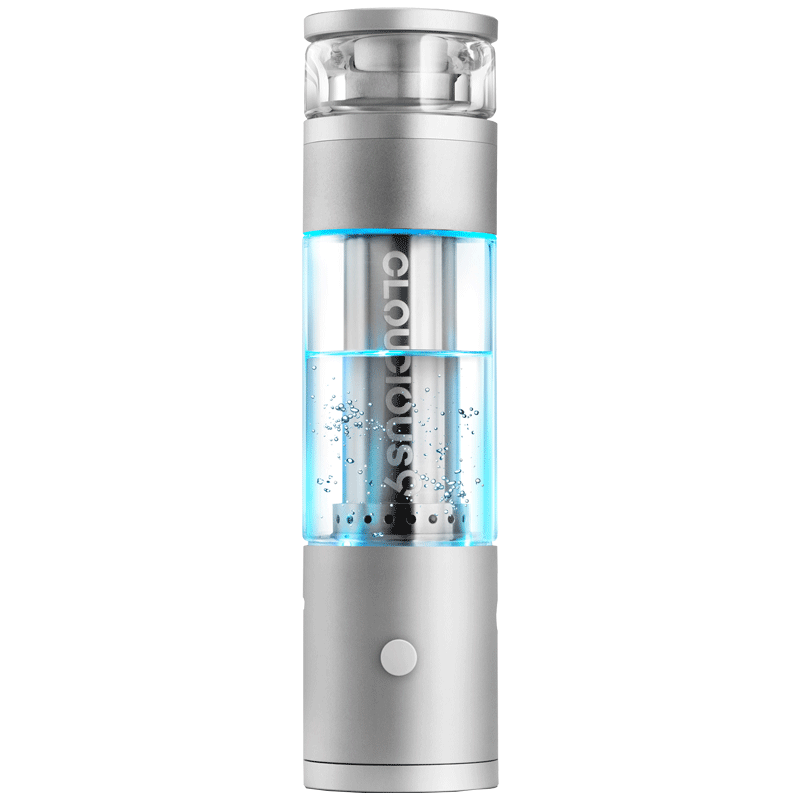
HighGrade Vape’s HYDROLOGY9 demonstrates how premium design can extend beyond the heating element itself.
The device combines a porcelain oven chamber with borosilicate glass, aircraft-quality aluminum, leakproof water filtration, and an integrated stir tool. Each feature addresses a practical part of the experience: chamber stability, material quality, vapor cooling, durability, and even extraction.
The lesson is broader than one product. A premium dry herb vaporizer should be evaluated as an ecosystem of decisions. What materials touch the air path? How easily can the device be cleaned? Does the chamber support your typical session size? Is the control interface intuitive?
A beautiful exterior is welcome. But long-term value comes from thoughtful engineering that you can feel every time you use, clean, charge, and store the device.
How to Evaluate a Premium Vaporizer
Before purchasing, ask yourself a few practical questions:
1. What is your preferred session style?
Do you need quick, on-the-go use, or do you enjoy slower, more deliberate sessions? A fast-heating conduction or hybrid device may suit short sessions, while a convection-focused design may appeal to flavor-first users.
2. How important is temperature adjustment?
Some consumers want simple preset temperatures. Others prefer degree-by-degree control. Neither is wrong. Choose the interface that encourages confident, repeatable use.
3. Is the chamber easy to maintain?
Cleaning is not optional. Residue can restrict airflow, affect flavor, and place additional strain on components. Look for removable, accessible parts and follow the manufacturer’s cleaning guidance carefully.
4. Does the design fit your lifestyle?
Battery capacity, portability, charging options, durability, and discretion all matter. The most advanced device is not useful if it is inconvenient enough to leave at home.
5. What support is available?
A strong warranty and responsive customer service can be just as valuable as an extra heating mode. At HighGrade Vape, our goal is to help adult consumers compare options based on their needs: not simply recommend the most expensive device.
The Holy Grail: Consistency
The engineering brilliance of a premium vaporizer is not measured by complexity alone. It is measured by consistency.
Can the device reach its target temperature reliably? Does it heat the chamber evenly? Is the draw comfortable? Can you reproduce a satisfying session tomorrow, next week, and months from now?
That consistency is what turns high-end vaping hardware from a novelty into a long-term lifestyle investment.
There will still be a learning curve. You may need to adjust your grind, packing technique, draw speed, or temperature. Trial and error is normal. Do not give up just yet.
Begin with the fundamentals. Use quality, properly stored material. Keep the chamber clean. Make small adjustments. Pay attention to what your device is telling you.
For more guidance, explore HighGrade Vape’s portable dry herb vaporizer collection, review our vaporizer selection, or contact our team with your questions.
The best precision engineered vaporizer is not necessarily the one with the longest feature list. It is the one whose heating method, controls, materials, and maintenance requirements align with the way you want to use it.
Choose thoughtfully. Be patient with the learning curve. And remember: inside the chamber, the smallest engineering decisions can make the biggest difference.